Teacher Mode on SVG, Back to School SVG: Integrating Retro Style into Your Creative Workflow
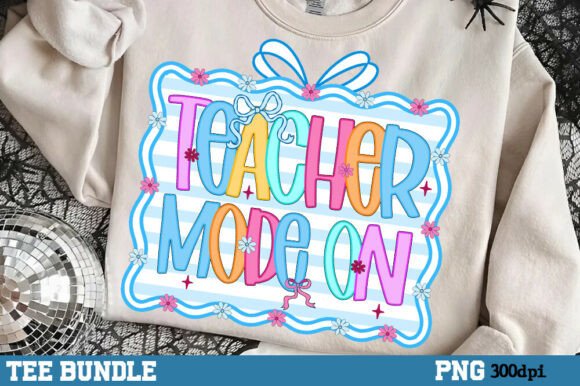
The transition from summer break to the academic year requires a shift in mindset for educators and creators alike. Whether you are preparing a classroom environment or launching a small business selling back-to-school merchandise, the visual language you choose sets the tone. This is where Teacher Mode on SVG, Back to School SVG becomes more than just a graphic; it serves as a functional asset within your production pipeline. Designed with groovy, retro-inspired letters featuring sun and wave patterns, combined with a fun switch-style "ON" graphic, this design bridges the gap between nostalgic aesthetics and modern digital crafting.
For professionals managing workflows involving Cricut, Silhouette, or other cutting machines, having a high-quality vector file is not merely about decoration—it is about efficiency. The ability to scale, recolor, and cut without losing resolution directly impacts the quality of the final product. By integrating this specific design into your preparation phase, you streamline the path from concept to physical output, ensuring consistency across shirts, mugs, totes, and classroom signage.
Defining the Asset and Its Role in Production
A Teacher Mode ON design is a versatile digital asset that functions as a cornerstone for various projects. Unlike raster images that pixelate when enlarged, an SVG (Scalable Vector Graphics) file maintains its integrity regardless of size. This particular iteration features a colorful palette and distinct typography that evokes a 70s vibe, making it highly adaptable for different branding strategies or personal projects.
In a practical workflow, this asset fits into the planning stage before any physical production begins. When you download the package, which includes one SVG, one PNG, one EPS, and one DXF file, you are acquiring a complete toolkit. Each format serves a specific purpose in the manufacturing chain:
- SVG files are the primary source for cutting machines like Cricut Design Space or Silhouette Studio. They allow for precise layering and material selection.
- EPS files are essential for professional print-on-demand services or vector editing software like Adobe Illustrator, ensuring compatibility with high-end offset printing.
- DXF files facilitate use with laser cutters or specialized industrial plotters, expanding your capability beyond vinyl cutting.
- PNG files with transparent backgrounds act as the bridge for direct-to-garment (DTG) printing or sublimation processes where vector data is not required.
Understanding these distinctions allows you to select the correct file type immediately, reducing troubleshooting time during the execution phase.
Strategic Implementation Across Different Platforms
The versatility of Teacher Mode on SVG, Back to School SVG extends to how it interacts with various hardware and software ecosystems. For hobbyists using entry-level cutting machines, the included SVG is optimized for easy import and immediate use. The transparent background ensures that no unwanted white borders appear around the text or graphics, a common issue that can ruin the aesthetic of a shirt or tote bag.
For entrepreneurs running a print shop, the inclusion of multiple formats is critical for scalability. If a client requests a large banner for a school event, the SVG allows you to scale the image up without degradation. Conversely, if you need to print a small sticker for a laptop, the same vector data ensures crisp edges. The EPS format further supports this by allowing you to manipulate individual elements of the design, such as separating the sun pattern from the text, if you wish to create a custom colorway for a specific brand identity.
This level of flexibility supports a robust decision-making process regarding materials. Because the design is suitable for all t-shirt colors and printing methods, you are not restricted to light fabrics. You can apply heat transfer vinyl (HTV) to dark tees, use sublimation on polyester blends, or screen print the design onto canvas totes. The workflow remains consistent regardless of the substrate, provided you have the correct file format loaded into your software.
Workflow Integration and Preparation
Successful implementation of this design relies heavily on proper preparation. Before initiating the cutting or printing process, organizing your digital assets is a necessary step. Create a dedicated folder structure labeled with the project name and date. Place the SVG, PNG, EPS, and DXF files together to ensure you never lose track of the original source. This organization prevents errors later in the production cycle, such as accidentally opening a low-resolution PNG instead of the high-fidelity SVG.
When working within software like Cricut Design Space, the first step is importing the file. Once imported, check the layers panel to ensure the design has been properly recognized. The groovy letters and wave patterns should be distinct layers, allowing you to change colors independently if you are creating a multi-layered vinyl design. This feature is particularly useful for adding contrast to the "ON" switch graphic, perhaps using a bright neon vinyl against a darker background to make the text pop.
During the execution phase, consider the orientation of the design. The switch-style "ON" graphic implies action and readiness, which pairs well with vertical layouts on mugs or horizontal layouts on wide-format signs. Adjusting the layout based on the final product's dimensions is part of the quality control process. Ensure that the margins are sufficient so that the design does not get cut off or obscured by handles and seams.
Optimizing for Consistency and Quality
Consistency is key when producing multiple items, whether for a classroom set or a batch of products for sale. Using the same Teacher Mode on SVG, Back to School SVG file ensures that every item looks identical. This uniformity builds trust with your audience and reinforces the professional nature of your work. If you are producing a series of items, such as matching teacher and student shirts, maintaining the exact same vector data guarantees that the sizing and spacing remain consistent across all pieces.
Quality control also involves testing the material application. Before committing to a full run of shirts, create a single prototype. Cut the design from your chosen vinyl and apply it to a test garment. Check for adhesion, alignment, and color accuracy. The retro-inspired colors in the design may require specific color-matching techniques depending on the vinyl brand you use. Observing how the sun and wave patterns render on the material helps you refine your settings for future cuts.
Furthermore, the design's adaptability allows for long-term use. While "Back to School" suggests a seasonal theme, the groovy aesthetic gives it a timeless quality that can be used year after year. Educators can reuse the design for staff appreciation events, end-of-year celebrations, or even as part of their permanent classroom decor. Entrepreneurs can stock this design as a perennial bestseller, knowing that the retro trend remains popular among adults aged 20–50 who appreciate vintage styles.
Maximizing Efficiency in Creative Projects
Incorporating this design into your routine saves valuable time. Instead of searching for new graphics or commissioning custom illustrations for every project, you have a ready-made solution that fits a broad range of needs. This efficiency allows you to focus on other aspects of your workflow, such as marketing, customer service, or curriculum planning. The ability to quickly generate a variety of products—from classroom signs to personalized gifts—means you can respond faster to market demands or last-minute requests.
The interaction between the digital file and the physical world is seamless when the right tools are used. The combination of SVG, PNG, EPS, and DXF formats ensures that you are never locked out of a specific platform. If a client prefers a sublimated mug over a vinyl shirt, you simply switch to the PNG file. If you need to send the design to a commercial printer, the EPS file provides the necessary vector data. This interoperability removes friction from the creative process, allowing for a smoother transition from idea to reality.
Ultimately, the value of Teacher Mode on SVG, Back to School SVG lies in its ability to support both the emotional and practical sides of education and commerce. It captures the excitement of the new school year with its vibrant, retro energy while providing the technical reliability needed for professional results. By understanding how to integrate this asset into your broader process, you empower yourself to create high-quality, visually appealing products that resonate with your audience.
Whether you are a teacher looking to celebrate the start of the term or a creator building a side hustle, this design offers a reliable foundation. It simplifies the technical requirements of digital crafting, allowing you to focus on the creative vision. With the right preparation and an understanding of the available formats, you can produce consistent, high-quality items that stand out in a crowded marketplace.